
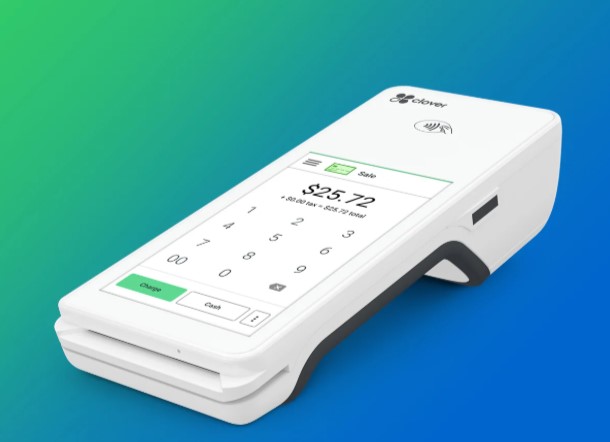

Speed and accuracy in payment processing are critical factors that directly impact customer satisfaction and operational efficiency. Businesses today must adopt solutions that minimize delays, reduce manual errors, and streamline transactions across multiple touchpoints. Modern POS terminals play a central role in achieving these outcomes by integrating advanced hardware with intelligent software systems. From retail stores to hospitality environments, the right setup ensures seamless billing and secure payments. Understanding what to look for in a payment system can help businesses avoid costly inefficiencies while delivering a faster and more reliable checkout experience for customers consistently. This ultimately leads to improved customer retention and stronger operational performance over time.
Understanding the Role of Payment Technology
Efficient payment systems are built on a combination of hardware reliability and software intelligence. Within this ecosystem, POS terminals act as the central interface where transactions are processed, recorded, and verified in real time. These systems reduce dependency on manual input, which is often the primary cause of billing errors and delays. By automating calculations, tax applications, and receipt generation, businesses can significantly improve transaction accuracy. Additionally, modern systems support multiple payment methods, including contactless and digital wallets, ensuring flexibility while maintaining consistency in performance across different customer interactions. This integration helps businesses deliver a seamless and professional checkout experience.
Key Features That Improve Speed
When evaluating solutions, businesses should prioritize features that directly enhance transaction speed. Advanced POS terminals are equipped with high-speed processors, optimized software, and intuitive interfaces that reduce the time taken per transaction. Features such as quick product lookup, barcode scanning, and pre-configured menus allow staff to complete sales efficiently. Integration with inventory systems further eliminates the need for manual stock checks, saving valuable time during peak hours. Faster processing not only improves operational flow but also reduces customer wait times, which is essential for maintaining satisfaction and increasing repeat business opportunities. This efficiency can significantly boost daily transaction capacity and revenue potential.
Enhancing Accuracy Through Automation
Accuracy in billing is essential to maintaining trust and avoiding revenue loss. Modern POS terminals incorporate automation features that minimize human error, such as automatic price updates, real-time tax calculations, and digital record-keeping. These systems ensure that every transaction is consistent and compliant with pricing structures. Additionally, built-in validation checks prevent incorrect entries, while digital receipts eliminate discrepancies associated with handwritten records. By reducing the chances of miscalculations and incorrect billing, businesses can maintain financial accuracy and improve overall accountability within their operations. This level of precision strengthens both customer trust and financial control.
Integration and Scalability Considerations
As businesses grow, their operational requirements become more complex. Scalable POS terminals offer seamless integration with accounting software, customer relationship management systems, and inventory platforms. This interconnected approach ensures that data flows accurately across departments without duplication or manual intervention. Cloud-based systems further enhance accessibility, allowing businesses to monitor transactions and performance in real time from multiple locations. Choosing a scalable solution ensures that the system continues to support increasing transaction volumes without compromising speed or accuracy, making it a long-term investment for operational efficiency. This flexibility allows businesses to adapt quickly to changing market demands.
Conclusion
Selecting the right payment system requires a clear understanding of business needs, transaction volume, and future scalability. A well-chosen solution improves both customer experience and internal efficiency by reducing delays and eliminating errors. By focusing on performance, automation, and system compatibility, organizations can build a payment infrastructure that supports long-term success while aligning with evolving industry standards such as ATM machine processing. Businesses that invest in reliable and integrated payment technologies position themselves for consistent growth and operational stability. This strategic investment ensures sustained competitiveness in an increasingly digital payment landscape.